About Calcium stearate
Calcium Stearate PVC Industry
Definition:
- Calcium Stearate (CS) is a calcium salt of stearic acid, widely used as a lubricant, stabilizer and processing aid in PVC manufacturing.
Features:
- Good internal & external lubrication
- Good heat stability
- Moisture-repellent properties
- Non-toxic and metal-soap based
- Improves PVC processing
- Good dispersion in PVC compounds
Advantages & Benefits:
- Reduces friction during processing
- Improves melt flow and processing efficiency
- Helps prevent material sticking to equipment
- Improves surface finish of PVC products
- Supports better dimensional stability
- Can reduce processing defects
Applications:
- PVC Agri Pipes
- UPVC/CPVC Pipes & Fittings
- Casing & Column Pipes
- Conduit & SWR Pipes
- PVC Profiles
- WPC & Foam Boards
- PVC Sheets and other rigid PVC products
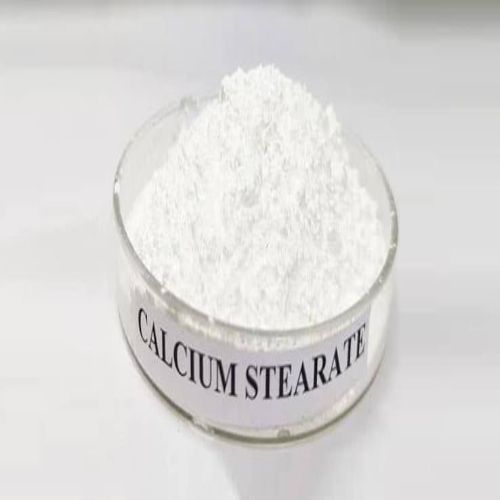
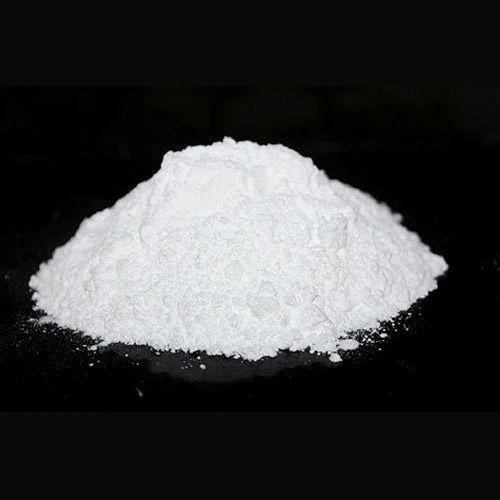
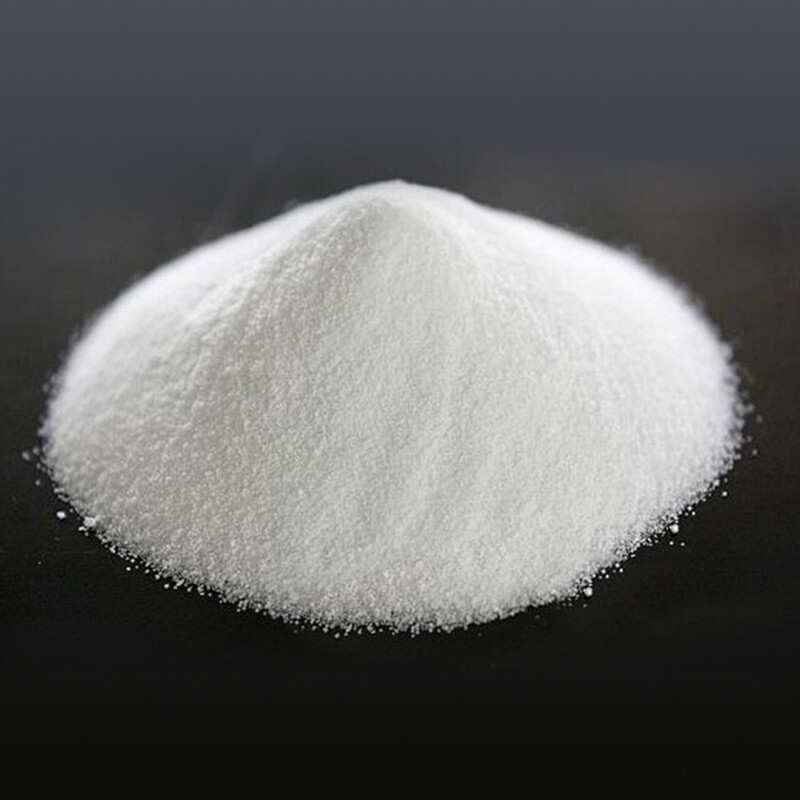
Key Properties and Technical SpecificationsCalcium stearate is notable for its white, free-flowing powder form, impressive purity (98%), and excellent compatibility with materials like PVC, polyethylene, and rubber. It has a melting point of 179-180C and remains stable under standard conditions. With low moisture and heavy metal content, it is safe for a range of industrial uses. The product's insolubility in water and solubility in hot organic solvents further widen its application scope.
Versatile Applications Across IndustriesThis material serves as a lubricant, release agent, and stabilizer in manufacturing and processing industries. It is commonly incorporated into plastics, rubber, coatings, and even personal care and pharmaceutical products. Approved for use per industry standards (such as FCC, BP, USP), calcium stearate's role in enhancing product quality and process efficiency is well-established.
Safe Handling and Storage GuidelinesCalcium stearate should be stored in tightly sealed containers in a cool, dry, well-ventilated area to maintain its quality and extend shelf life. It is non-toxic, odorless, and tasteless, making it suitable for sensitive applications. Ensure compliance with recommended storage practices to preserve product integrity for up to two years.
FAQ's of Calcium stearate:
Q: How is calcium stearate typically used in industrial applications?
A: Calcium stearate acts as a lubricant, release agent, and stabilizer in plastics, rubber processing, paints, and cosmetics. Its compatibility with various polymers and insolubility in water make it particularly effective in preventing materials from sticking to equipment or molds, enhancing overall production efficiency.
Q: What are the main benefits of using calcium stearate?
A: Key benefits include its ability to improve process flow, prevent caking, act as an antistatic and demolding agent, and provide stabilization in plastics and rubbers. Its non-toxic, odorless nature ensures suitability for food, pharmaceuticals, and sensitive product formulations.
Q: When should calcium stearate be added during the manufacturing process?
A: Calcium stearate is usually incorporated during the blending or compounding stage of raw materials. This ensures it is evenly distributed throughout the mixture, enhancing its functionality as a processing aid or stabilizer.
Q: Where should calcium stearate be stored for maximum shelf life?
A: To ensure a two-year shelf life, calcium stearate should be stored in a cool, dry, and well-ventilated area, in tightly closed containers. This prevents moisture uptake and contamination, preserving its effectiveness and purity.
Q: What are the safety considerations when handling calcium stearate?
A: Calcium stearate is classified as non-toxic, non-poisonous, odorless, and tasteless. Standard safety procedures, such as avoiding inhalation of dust and using appropriate personal protective equipment, should still be followed during handling and storage.
Q: Is calcium stearate compatible with all polymers and rubbers?
A: Calcium stearate is compatible with a wide range of polymers and elastomers, including polyvinyl chloride (PVC), polyethylene, and various rubbers. Its compatibility makes it a preferred additive in diverse manufacturing processes.




 Send Inquiry

 Send Inquiry
 Send Inquiry
 Send SMS