About Stearic Acid
Stearic Acid for PVC Industry
Definition:
- Stearic Acid is a fatty acid used as a lubricant, processing aid and release agent in PVC formulations.
- It helps reduce friction between PVC material, processing equipment and metal surfaces.
Features:
- Good lubricating properties
- Improves PVC processing
- Acts as an external/internal lubricant
- Good thermal stability
- Helps reduce metal-to-polymer friction
- Compatible with various PVC additives
Advantages:
- Smoother extrusion
- Reduces processing torque and friction
- Helps prevent material sticking to equipment
- Improves surface finish
- Supports easier processing and mould release
Benefits:
- Better production efficiency
- Reduced equipment wear
- More consistent PVC products
- Improved appearance and processing quality
- Can help reduce processing problems
Applications:
- PVC Agri Pipes
- Casing & Column Pipes
- UPVC/CPVC Plumbing Pipes
- SWR Pipes
- Conduit Pipes
- PVC Profiles
- WPC Profiles
- PVC Fittings & Injection Moulding
- PVC Sheets, Boards and other rigid PVC product
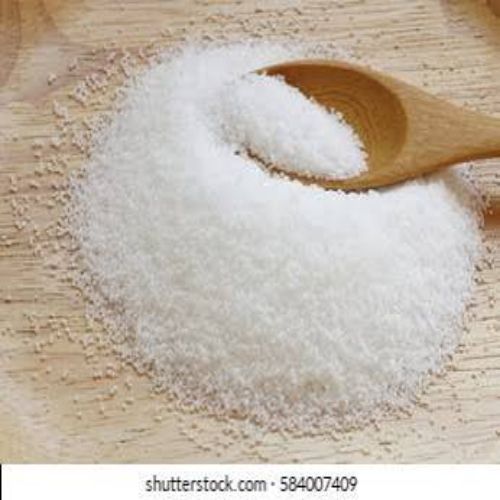
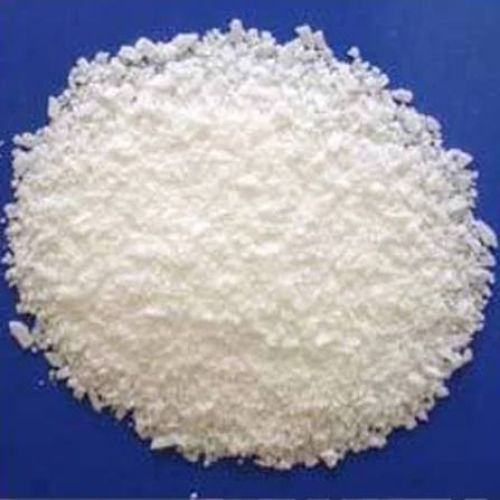
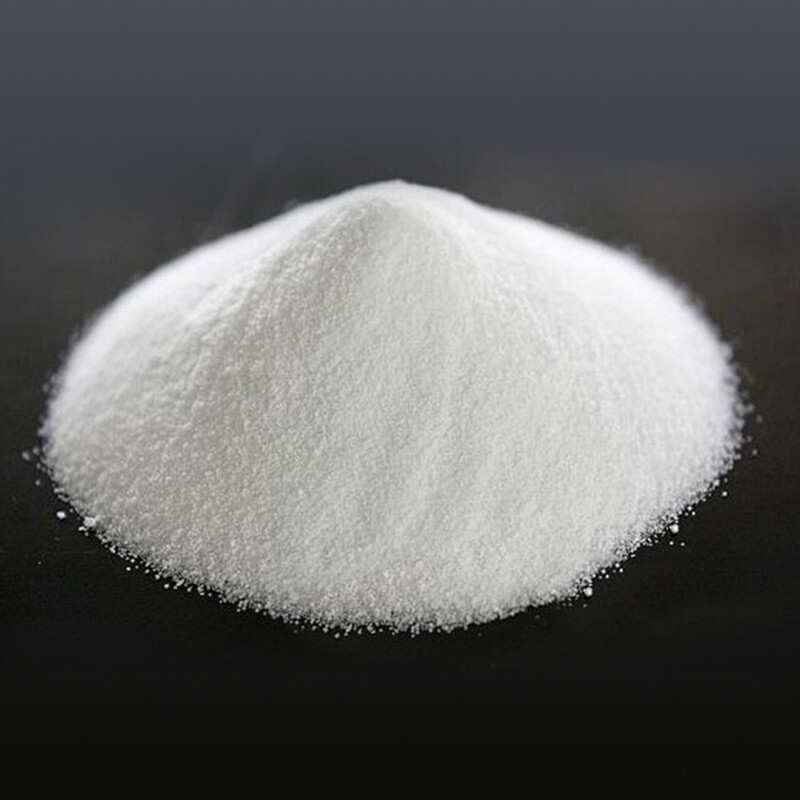
High-Purity, Industry-Compliant Stearic AcidOur Stearic Acid meets strict industry and food/pharma grade standards, ensuring exceptional purity and safety for diverse applications. With low heavy metal content (0.001%) and minimal impurities, it is ideal for manufacturing needs where consistent quality is a priority. Each batch complies with REACH, FDA, and relevant regulatory guidelines.
Versatile Uses Across Multiple SectorsStearic Acid finds usage as an emulsifier, lubricant, stabilizer, and softening agent. Its presence is essential in cosmetics, rubber, plastics, candles, lubricants, and pharmaceuticals. The product's various available grades (industrial, cosmetic, and food) fit specialized industry requirements, making it a practical choice for manufacturers.
Durable Packaging and Storage SolutionsStearic Acid is packed in 25 kg bags or drums, or tailored to customer requirements. For optimal shelf life of 24 months, store it in a cool, dry, and well-ventilated area, away from heat and ignition sources. Proper storage ensures product stability and maintains its high-quality standards throughout its lifecycle.
FAQ's of Stearic Acid:
Q: How should Stearic Acid be stored to maintain its quality?
A: Store Stearic Acid in a cool, dry, well-ventilated area, away from heat and sources of ignition. Proper storage helps preserve its stability and ensures a shelf life of up to 24 months from the date of manufacture.
Q: What are the common industrial and consumer applications of Stearic Acid?
A: Stearic Acid is widely used in cosmetics, rubber, plastics, candles, lubricants, and pharmaceuticals. It serves as an emulsifier, lubricant, stabilizer, and softening agent, contributing to product performance across industries.
Q: When does Stearic Acid expire after manufacturing?
A: Stearic Acid has a shelf life of 24 months from the date of manufacture, provided it is stored correctly under recommended conditions.
Q: Where does your Stearic Acid comply in terms of safety and regulatory standards?
A: Our Stearic Acid complies with REACH, FDA, and other relevant industry safety and regulatory guidelines, ensuring it meets high standards for various applications.
Q: What are the key benefits of using high-purity Stearic Acid?
A: High-purity Stearic Acid features low heavy metal content and minimal impurities, which enhance safety and effectiveness in sensitive applications such as pharmaceuticals, cosmetics, and food processing.
Q: How is Stearic Acid commonly supplied and in what packaging forms?
A: Stearic Acid is supplied typically in 25 kg bags or drums, but packaging can be customized according to customer requirements for convenience and handling efficiency.




 Send Inquiry

 Send Inquiry
 Send Inquiry
 Send SMS