About Epoxydised soyabin oil
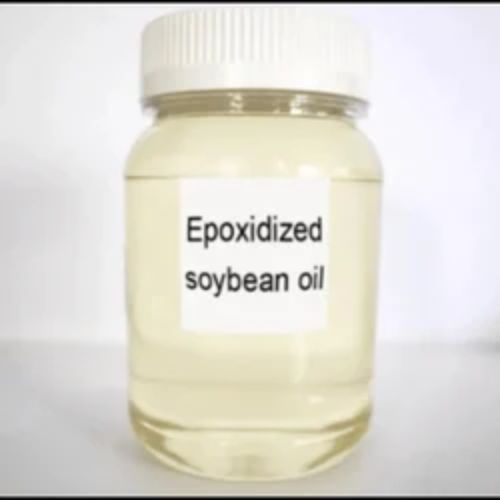
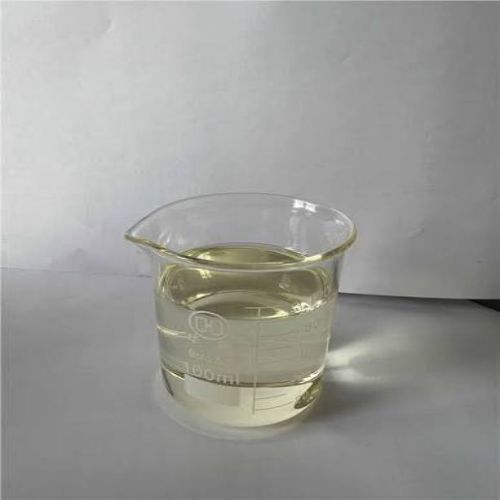
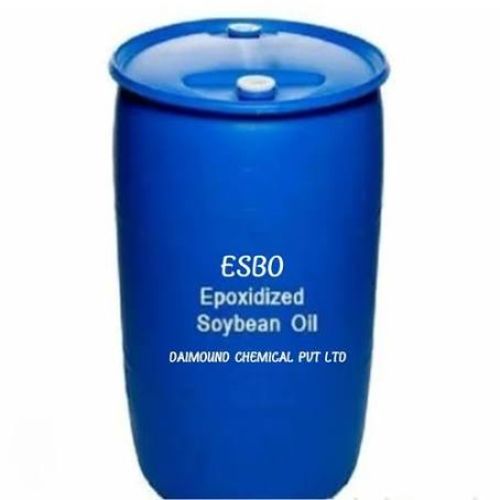
Epoxidised Soybean Oil (ESBO) PVC Industry
Definition:
Features:
-
Good plasticizing properties
-
Excellent heat stability
-
Good resistance to light and weathering
-
Low volatility
-
Good compatibility with PVC
-
Vegetable-based and environmentally friendly
Advantages & Benefits:
-
Improves PVC flexibility
-
Enhances heat and processing stability
-
Helps reduce degradation during processing
-
Improves product durability
-
Can support better color retention
-
Works synergistically with primary stabilizers
Applications:
-
Flexible PVC pipes & hoses
-
PVC cables & wires
-
PVC films and sheets
-
PVC flooring
-
Artificial leather
-
PVC profiles and flexible products
-
PVC compounds and formulations
High Compatibility and Versatile ApplicationsEpoxidized Soybean Oil demonstrates remarkable compatibility with PVC, synthetic and natural rubber, cellulose, and various resins. This adaptability makes it an ideal choice for manufacturers seeking a reliable plasticizer and stabilizer across a range of applications, including food contact materials, adhesives, coatings, and pigment dispersants.
Environmental and Safety AdvantagesESBO is made from soybean oil, is biodegradable, environmentally friendly, and complies with major food safety standards for heavy metals. As a non-toxic and non-poisonous product, it is trusted in sensitive applications such as food packaging and children's toys, while providing sustainability-focused users with peace of mind.
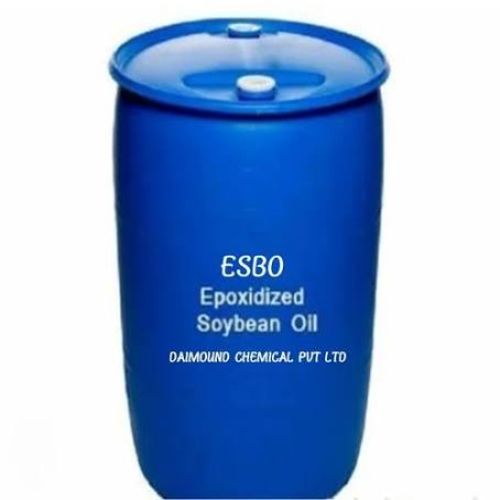
Packaging and Storage GuidanceAvailable in plastic or steel drums, IBC tanks, and bulk tankers, ESBO should be stored in cool, dry conditions away from direct sunlight or heat sources. A 12-month shelf life is guaranteed from the date of manufacture when properly stored, ensuring both stability and performance throughout its usable period.
FAQ's of Epoxydised soyabin oil:
Q: How is Epoxidized Soybean Oil (ESBO) used in industrial applications?
A: ESBO is commonly employed as a plasticizer and stabilizer in the production of PVC, vinyl toys, adhesives, coatings, and food packaging materials. Its function is to improve flexibility, thermal stability, and processability of polymers and resins.
Q: What are the main benefits of ESBO over traditional plasticizers?
A: ESBO offers several advantages, such as biodegradability, environmental safety, non-toxicity, and compliance with recent food safety and heavy metal regulations. Its high compatibility with various polymers enhances the life and performance of finished products.
Q: When and where should ESBO be stored to maintain quality?
A: For optimal preservation, ESBO should be stored in a cool, dry area, shielded from sunlight and heat sources. The product maintains peak quality for up to 12 months from the date of manufacture if recommended storage guidelines are followed.
Q: What processes is ESBO involved in during manufacturing?
A: In manufacturing, ESBO is incorporated during polymer blending or resin formulation. It functions as an internal plasticizer, dispersant, or stabilizer and mixes easily due to its solubility in organic solvents like hydrocarbons, ethers, and esters.
Q: Where can Epoxidized Soybean Oil be sourced or supplied?
A: ESBO can be acquired from specialized suppliers, traders, and service providers who offer it in packaging options such as plastic or steel drums, IBC tanks, and bulk tankers to meet diverse industrial requirements.
Q: What safety and environmental factors make ESBO a preferred choice?
A: ESBO is preferred for being biodegradable, environmentally friendly, non-toxic, tasteless, and non-poisonous. Its formulation avoids hazardous substances, ensuring safe use in both industrial and sensitive end-use applications like food packaging and toys.
Q: What is the shelf life of ESBO and how should unused product be handled?
A: ESBO remains effective for 12 months from manufacture if stored properly. Any unused product should be kept sealed in its original packaging and stored in compliance with the provided guidelines to prevent degradation.




 Send Inquiry

 Send Inquiry
 Send Inquiry
 Send SMS